


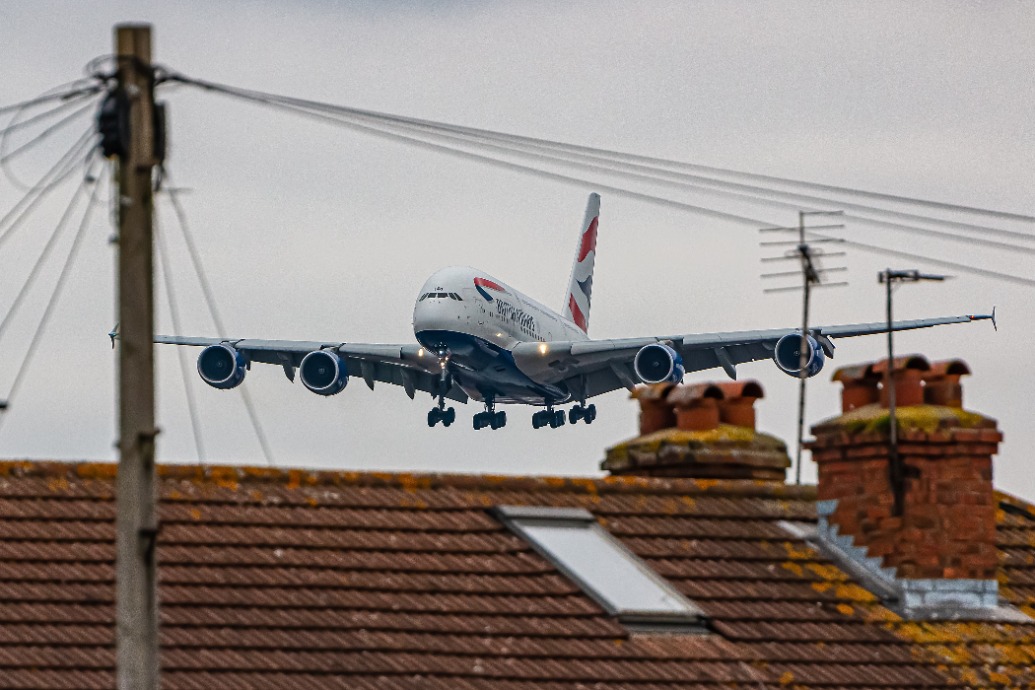
Lower-income households are more likely to experience regular noise disturbance, with the problem highlighting wider health inequalities across England and Wales.
The Chartered Institute of Environmental Health (CIEH) surveyed more than 2,100 adults and analysed local authority noise complaint data for its Sound Thinking report.
It found 23% of respondents had been disturbed by noise very or fairly often over the past two years, while 29% said noise levels in their area had increased.
Among households earning less than £20,000, 29% reported frequent disturbance, compared with 19% of those earning more than £55,000.
Transport was a major source of disruption, with 56% of respondents experiencing road, rail or aircraft noise. Neighbour and neighbourhood noise affected 57%.
Fran McCloskey, CIEH Chief Executive Officer, said: “At first glance the picture appears encouraging. Recorded noise complaints have fallen. However, the evidence in this report suggests that complaint numbers alone do not provide a complete picture of noise harm.
“Variations in recording practices, differences in reporting behaviour and public polling all indicate the need for a more consistent and robust understanding of how noise affects people’s lives and health. Fewer complaints does not necessarily mean less harm.”
The report warns that differences in how councils record and manage complaints could create a “postcode lottery”, making it harder to understand the scale of noise pollution.
The findings come as noise is increasingly recognised as an environmental health issue, with road traffic, animals, neighbours, social gatherings and emergency sirens among the most commonly reported disturbances.
CIEH is calling for nationally consistent complaint categories, better monitoring and wider use of digital reporting tools.
The organisation also wants environmental health services to receive sufficient resources to tackle noise and address its impacts on public health.
The report says action should span prevention, planning, public health and environmental health, supported by stronger national coordination and better data. It also notes that noise can contribute to sleep disturbance, cardiovascular disease and difficulties concentrating.
Copyright © 2026 Energy Live News LtdELN